
Recent mortality data from the National Center for Health Statistics show a reassuring trend: a child born in the United States in 2024 can expect to live nearly 79 years—an increase of more than half a year compared to 2023, and the highest recorded life expectancy since 1900.
Advancing Age and Chronic Disease
However, increased longevity brings a parallel reality. Advancing age is not only associated with experience and resilience but also with a rising burden of chronic disease. Conditions such as cardiovascular disease, stroke, and respiratory disorders become more prevalent with time, often necessitating medical intervention.

While many of these conditions can be managed pharmacologically, a significant proportion ultimately require surgical treatment.
Surgery in Older Adults
Surgical care is increasingly becoming a part of aging. Today, nearly one in every three patients undergoing surgery is aged 65 or older. In the United States alone, close to 5 million older adults undergo surgical procedures each year, and this figure is projected to double by 2060—highlighting the growing intersection between aging, disease burden, and the need for operative care.(1)
Surgery and Anesthesia: Partners in Safety
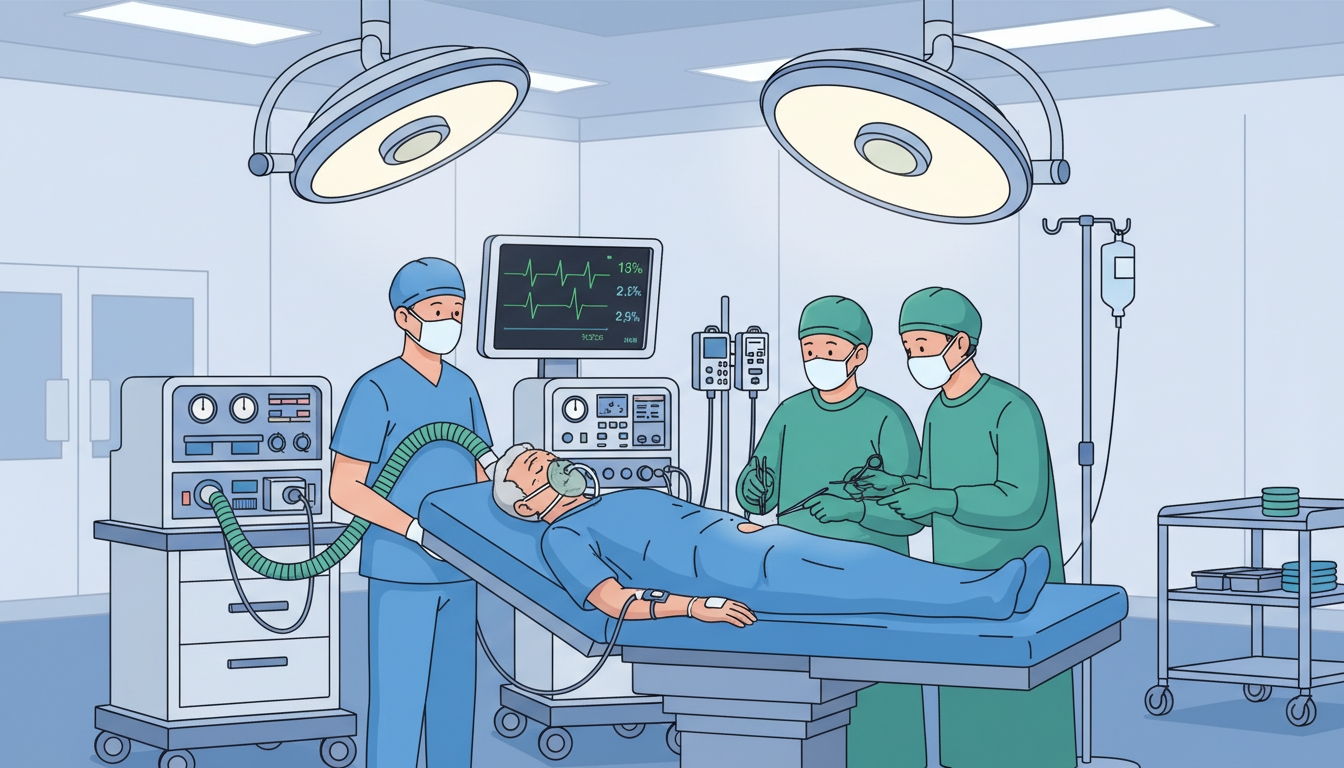
Surgery depends on a critical medical process—anesthesia. Anesthesia allows surgical procedures to be performed safely and humanely by inducing a controlled, reversible state in which the patient does not experience pain or awareness during the operation. It is a cornerstone of modern medicine, enabling complex interventions that would otherwise be intolerable.
Common Fears Before Surgery

Most of us who have elderly parents have faced this moment—the anxiety before a surgery. A flood of thoughts takes over: What if he doesn’t wake up after anesthesia? What if something goes wrong during the procedure? What if there are complications we didn’t expect? These fears are natural. When it comes to someone we love, especially an aging parent, even a routine surgery can feel overwhelming.
What Determines Surgical Risk?
The outcome of any surgery is not random. It largely depends on three key factors:
1. Patient Factors (Baseline Health)
The overall health of the patient plays a crucial role. Important considerations include: Can the patient walk comfortably, or do they experience shortness of breath? Is there any chest pain or cardiac symptom? Are there existing conditions such as heart disease, stroke, diabetes, high blood pressure, Parkinson’s disease, dementia? Equally important is control of these conditions: Is blood sugar within a safe range? Is blood pressure well controlled? A well-optimized patient significantly reduces surgical risk.
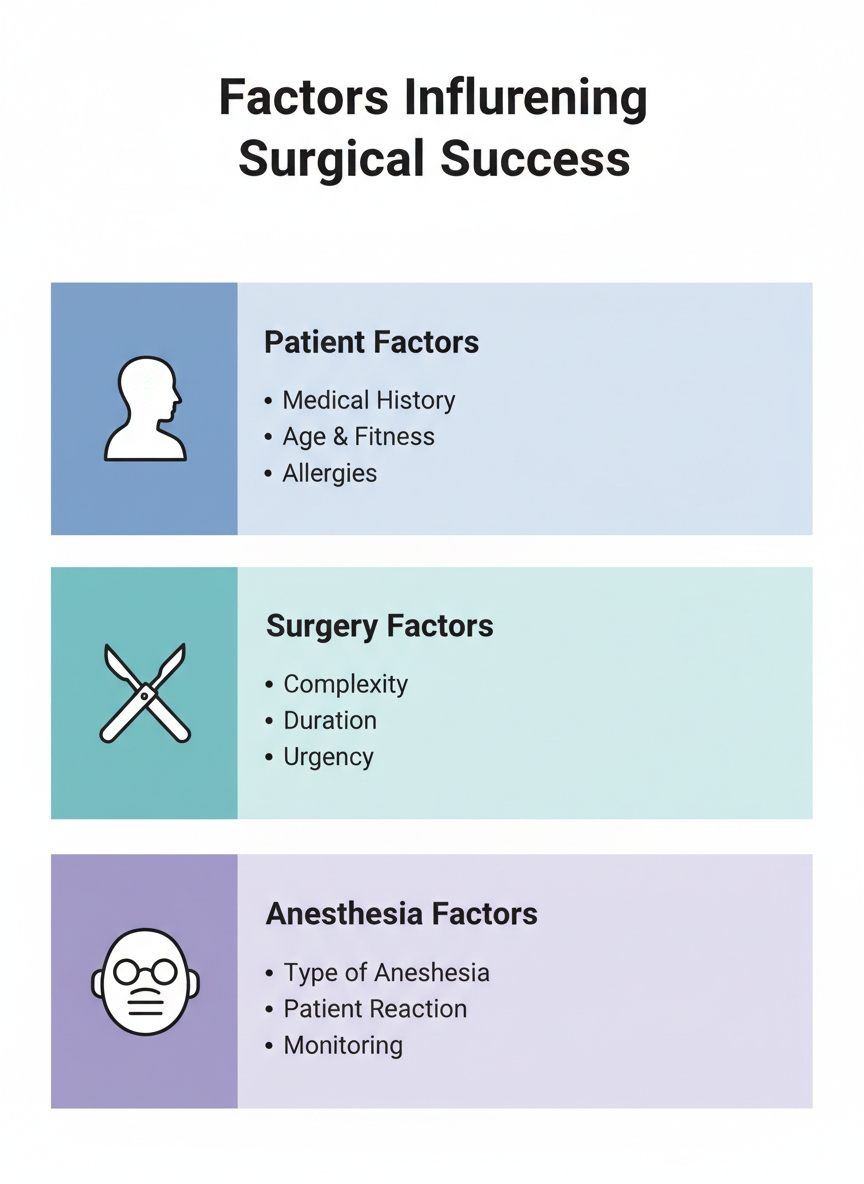
2. Surgery Factors (Type of Procedure)
Not all surgeries carry the same level of risk. Minor procedures generally have low risk. Major surgeries involve higher physiological stress. A simple discussion with your surgeon can help clarify: How complex the surgery is, what risks are expected, what recovery may look like.
3. Anesthesia Factors (Type of Anesthesia)
The type of anesthesia used also influences safety. Options may include general anesthesia (complete unconsciousness), spinal anesthesia, regional blocks, local anesthesia. The choice depends on the type of surgery and the patient’s health condition.
How Anesthesia Helps During Surgery
When we think about surgery, we often focus on the operation itself. But what truly makes modern surgery possible—and safe—is anesthesia. It not only prevents pain but also allows doctors to carefully monitor and control your body throughout the procedure.

Before your surgery, there is an important step called the Pre-Anesthesia Evaluation (PAE or PAC). During this evaluation, your anesthetist takes a detailed medical history, reviews your reports and investigations, may advise additional tests if needed, and listens to your concerns about surgery and anesthesia. This step helps create a personalized anesthesia plan, ensuring your safety from the operating room to recovery.
How You Can Make Surgery Safer
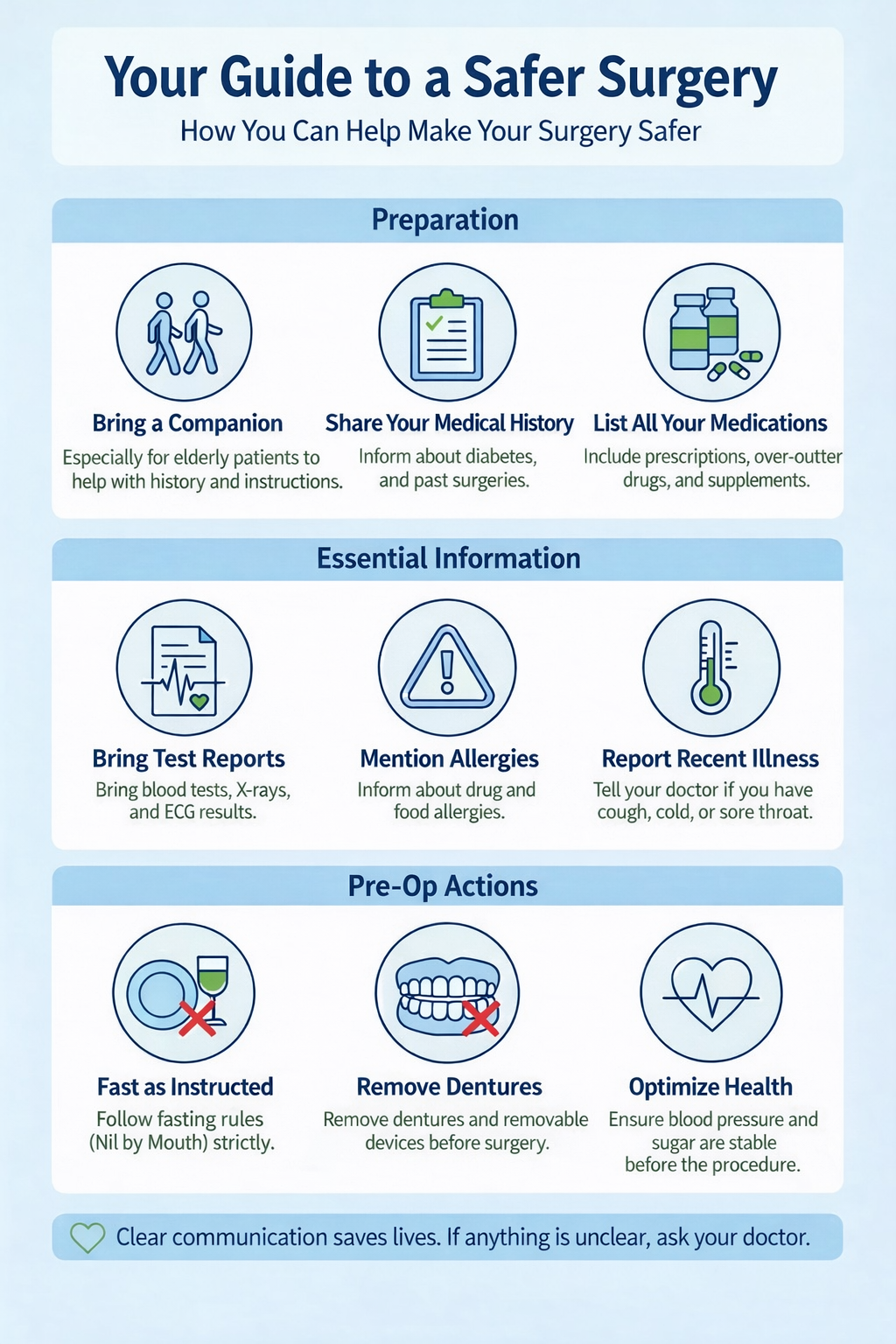
You are an important part of this process. The more clearly you communicate, the safer your surgery becomes.
🤝 Don’t Come Alone (Especially for Elderly Patients)
Older patients often have multiple health conditions and medications—and may forget important details.
✔ Ensure someone familiar with your medical history is present
They can help provide accurate information and remember instructions given by the doctor.
👉 Share Your Complete Medical History
Your anesthetist is the doctor who takes care of you while you are asleep during surgery.
- Anticipate possible problems
- Prepare in advance
- Ensure safer recovery after surgery
Examples:
💊 Discuss All Your Medications
Some medicines need to be stopped before surgery, while others must be continued.
- Prescription medicines
- Over-the-counter drugs
- Herbal supplements or vitamins
📋 Your Reports and Tests Matter
Your anesthetist may review:
- Blood tests
- ECG
- X-rays or scans
- Other investigations
Additional tests may sometimes be required to ensure your body is ready for surgery.
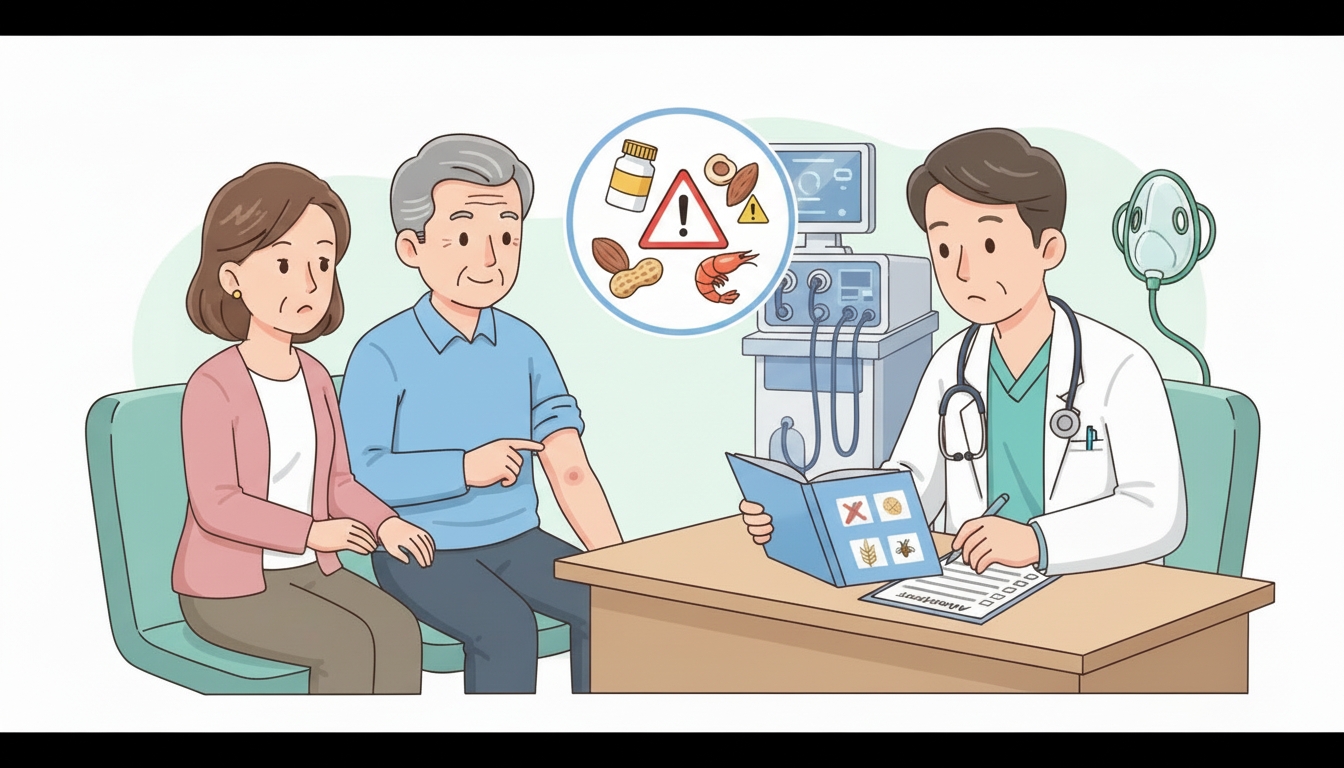
⚠ Inform About Any Allergies
Always mention:
- Drug allergies
- Food allergies
- Previous allergic reactions during treatment
This helps doctors avoid medications that may cause dangerous reactions.
🏥 Share Past Medical Experiences
Tell your doctor if you previously had:
- Major surgeries
- ICU stays
- Anesthesia complications
- Difficult recovery experiences
🩸 History of Blood Transfusion or Reactions
Mention:
- When you received blood transfusion
- Whether you had fever, chills, or discomfort afterward
🧠 Memory or Confusion Issues
Inform your doctor about:
- Delirium (sudden confusion)
- Dementia or memory problems
This helps reduce confusion after surgery, especially in elderly patients.
✅ Optimization Before Surgery
Planned surgeries are usually performed only when medical conditions are properly controlled.
- Blood pressure controlled
- Blood sugar stabilized
- Overall health optimized
🦷 Remove Dentures and Removable Devices
Before entering the operation theatre, you may be asked to remove:
- Dentures
- Removable dental appliances
- Jewellery
These can interfere with airway management or become loose during anesthesia.
🤒 Inform About Recent Illness
Always tell your doctor if you recently had:
- Cough or cold
- Sore throat
- Fever
- Chest infection
Even minor infections can affect breathing during anesthesia.
🍽 Fasting Before Surgery
You will be instructed not to eat or drink before surgery.
• Reduce complications
• Improve recovery
• Make surgery safer overall
If anything is unclear, always ask your doctor again—never assume.
Disclaimer: This article is for educational purposes only and should not replace professional medical advice. Always follow the recommendations of your surgeon, anesthesiologist, and healthcare provider regarding your health condition.