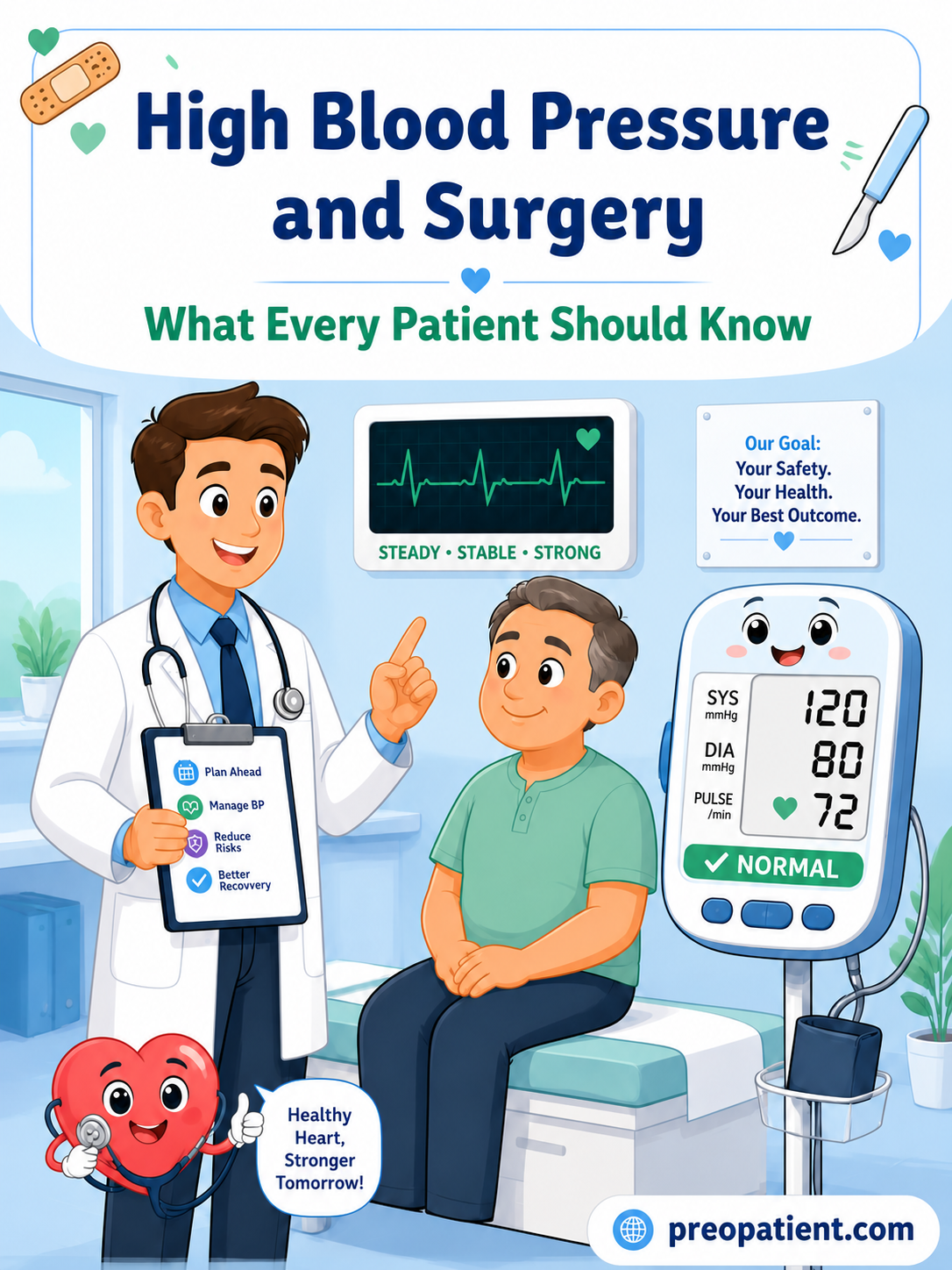
According to the American Heart Association (AHA), hypertension (high blood pressure) is generally defined as a blood pressure reading of 130/80 mmHg or higher.
But what exactly is blood pressure, and why does it matter?
Blood pressure is the force exerted by circulating blood against the walls of your arteries—the blood vessels that carry blood from your heart to the rest of your body. This pressure is essential because it helps deliver oxygen and nutrients to all organs and tissues.
A simple way to understand blood pressure is to think about the water supply in your neighborhood.
Imagine a water tank that supplies water to every home in a community. The water must leave the tank with enough pressure to reach every household. If the pressure is too low, some homes may not receive enough water. On the other hand, if the pressure is too high, water may gush out forcefully from the faucets, potentially damaging plumbing fixtures over time.
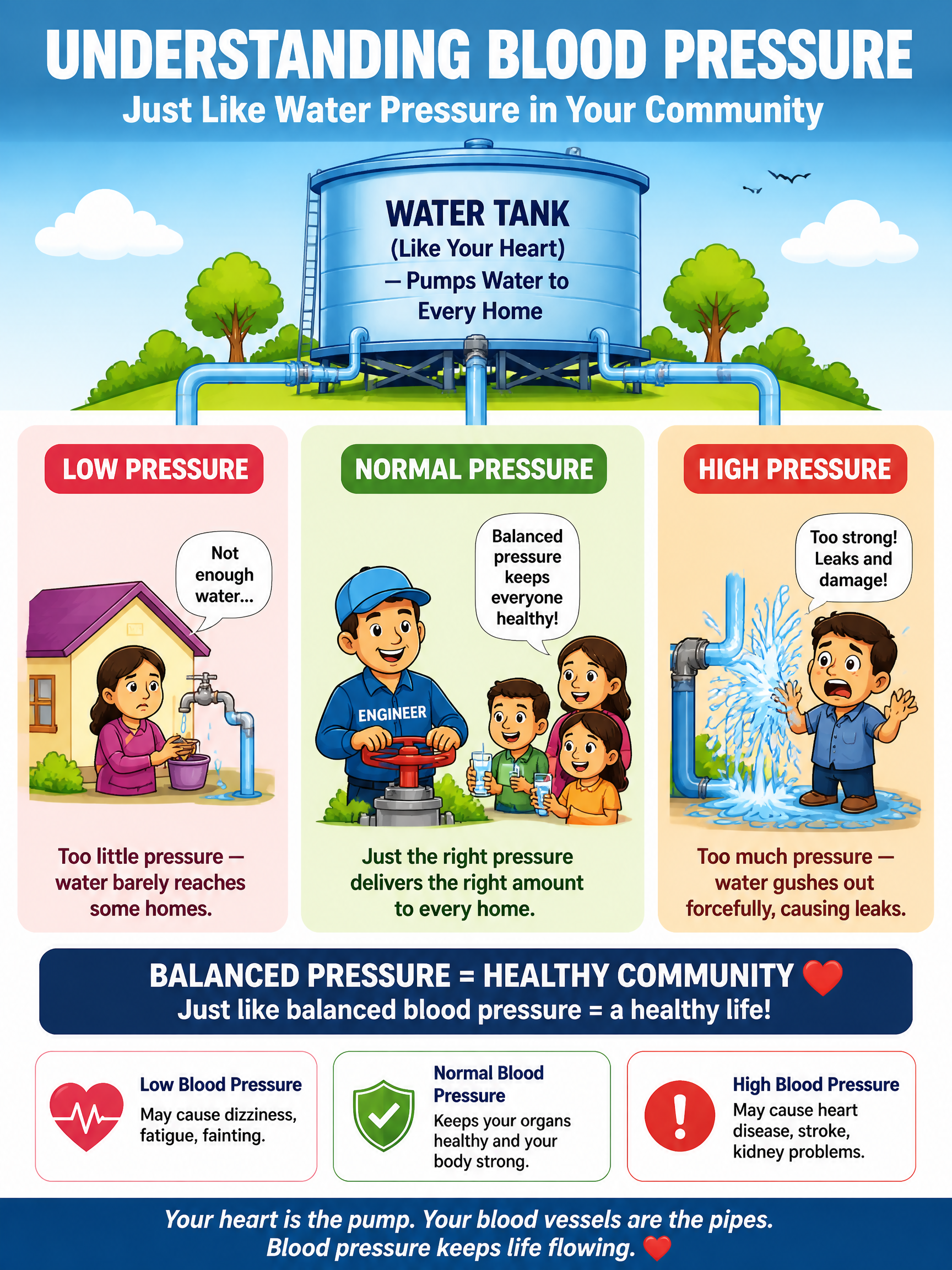
The human body works in a similar way. Your heart acts as a pump, and your blood vessels are like a network of pipes that deliver blood to every organ. Blood pressure must remain within an optimal range. If it is too low, vital organs may not receive enough oxygen and nutrients to function properly. If it is too high, the constant excess pressure can gradually damage blood vessels and organs such as the heart, brain, kidneys, and eyes.
Maintaining healthy blood pressure is therefore essential for ensuring that every organ receives the blood supply it needs while minimizing the risk of long-term damage.
The Burden of High Blood Pressure in the United States
High blood pressure remains one of the most common and important health problems affecting Americans today. Despite advances in diagnosis and treatment, hypertension continues to be a major contributor to heart disease, stroke, kidney disease, and premature death.
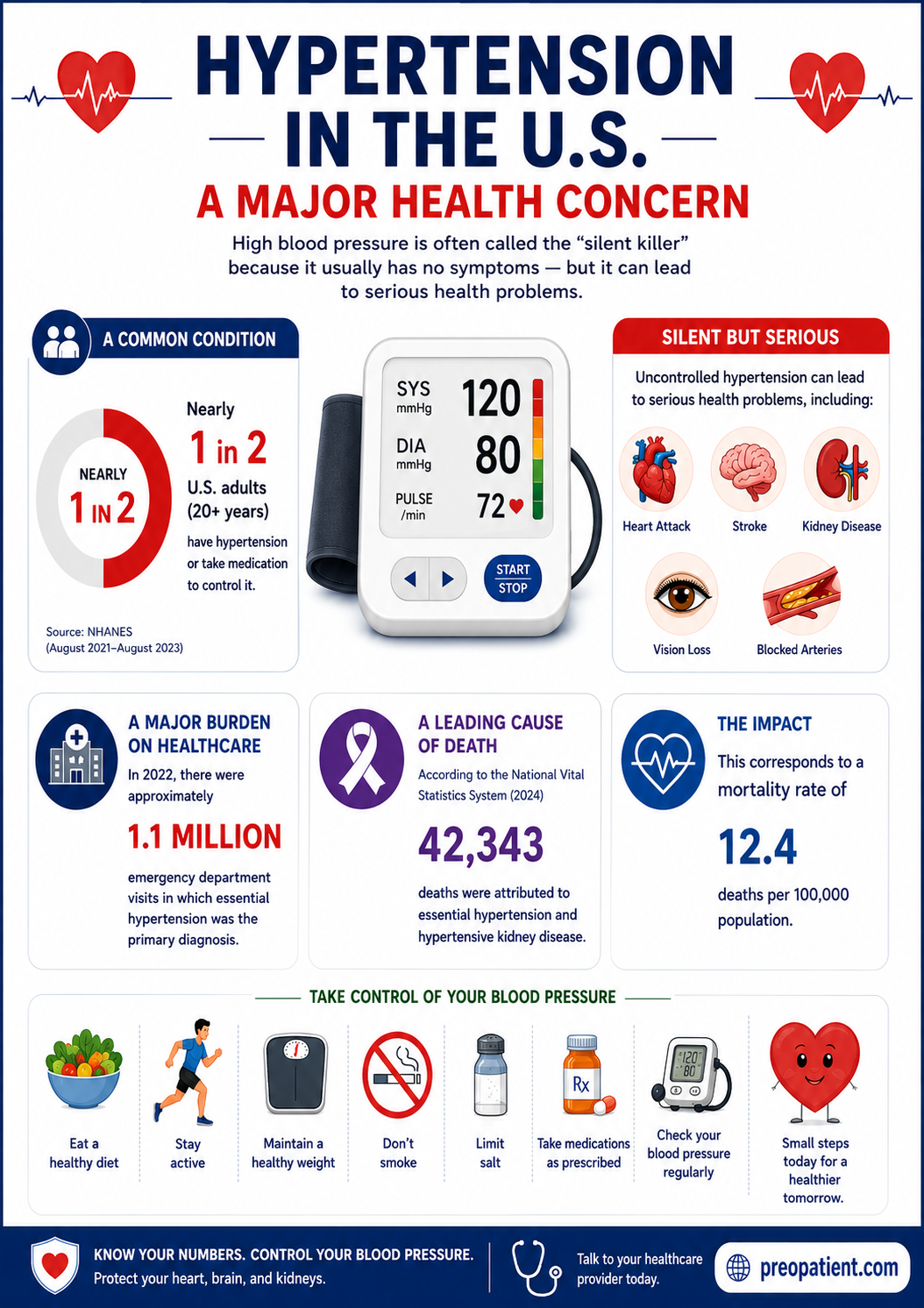
According to data from the National Health and Nutrition Examination Survey (NHANES), approximately 49.1% of U.S. adults aged 20 years and older had hypertension or were taking medication to control high blood pressure between August 2021 and August 2023. In other words, nearly one out of every two American adults is affected by this condition.
The impact of hypertension on the healthcare system is substantial. Data from the National Hospital Ambulatory Medical Care Survey show that in 2022, there were approximately 1.1 million emergency department visits in which essential hypertension was the primary diagnosis. These visits highlight the significant burden uncontrolled blood pressure places on both patients and healthcare resources.
Hypertension also remains an important cause of mortality in the United States. According to the National Vital Statistics System, 42,343 deaths were attributed to essential hypertension and hypertensive kidney disease in 2024, corresponding to a mortality rate of 12.4 deaths per 100,000 population.
These statistics underscore the importance of early detection, regular blood pressure monitoring, lifestyle modification, and adherence to prescribed medications. Effective blood pressure control not only reduces the risk of heart attack and stroke but also improves long-term health outcomes and quality of life.
Why Is High Blood Pressure a Concern Before Surgery?
Undergoing surgery can be stressful for both the mind and the body. It's normal for patients to feel anxious before an operation, and this stress can naturally increase heart rate and blood pressure.
In addition to the stress of surgery itself, anesthesia can also cause significant changes in blood pressure throughout the procedure.
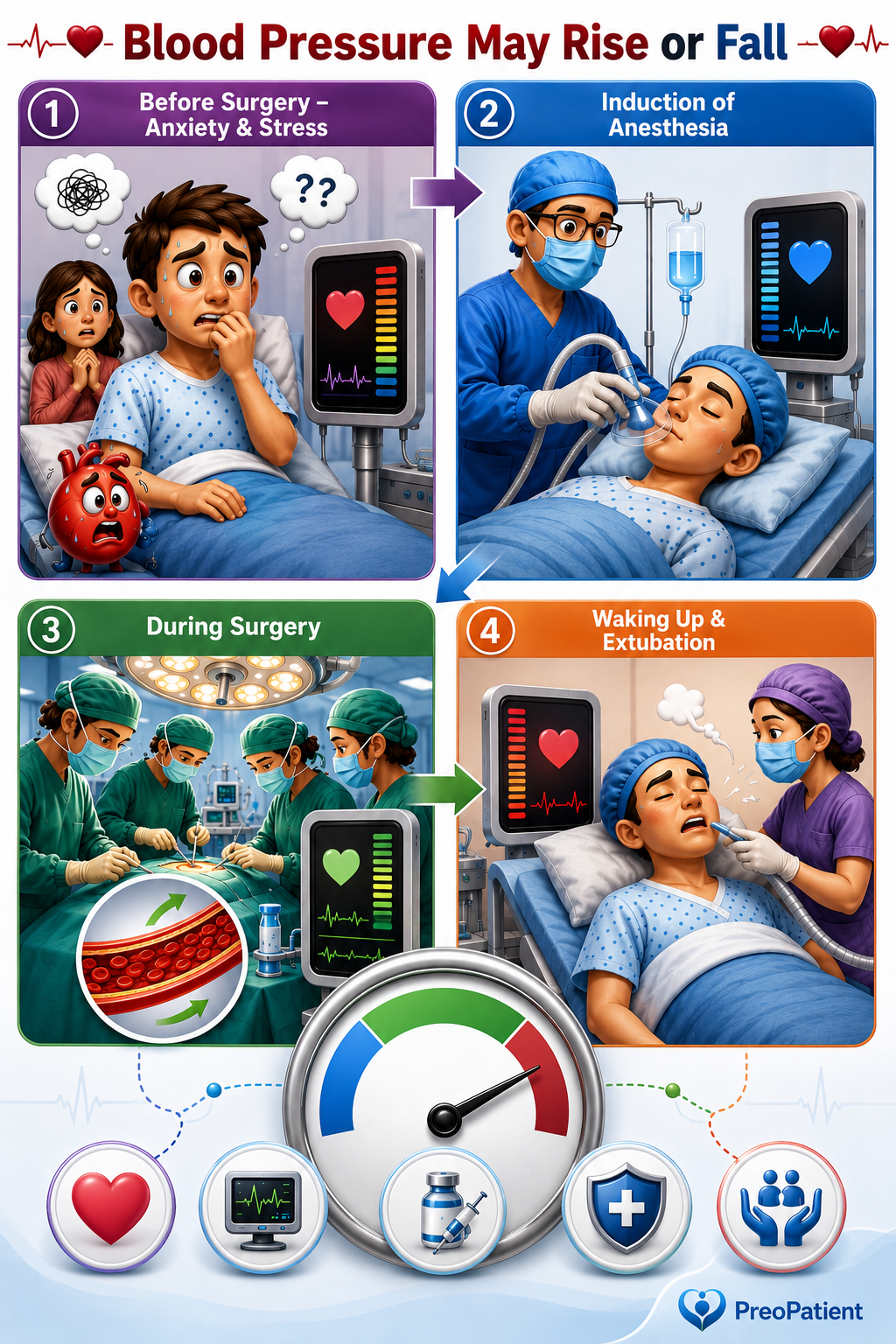
Blood pressure may rise or fall during several critical moments, including:
- Before surgery due to anxiety and stress
- During the induction of anesthesia (when you are put to sleep)
- During surgical manipulation of tissues and organs
- During emergence from anesthesia and removal of the breathing tube (extubation)
For example, a patient undergoing abdominal surgery under general anesthesia may experience blood pressure fluctuations at each of these stages. While these changes are usually well managed by the anesthesia team, patients with poorly controlled hypertension are at a higher risk of developing dangerously elevated blood pressure during surgery.
Why Do Doctors Worry About High Blood Pressure During Surgery?
Think of your blood vessels as a network of water pipes running throughout your home. If the water pressure becomes excessively high, the pipes experience increased stress and may eventually leak or burst at their weakest points.
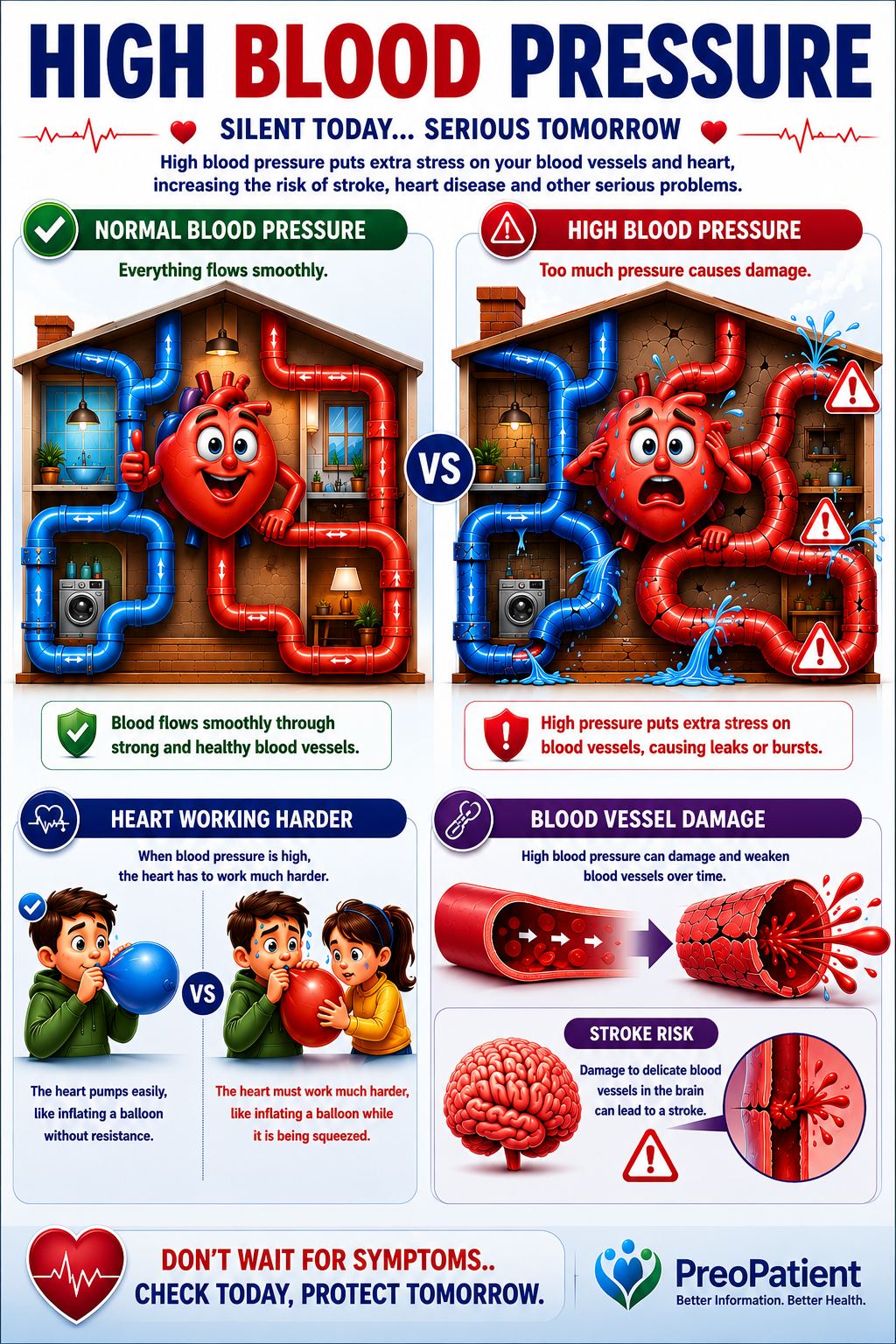
A similar process can occur inside the body. When blood pressure rises too high, excessive force is exerted on the walls of blood vessels. This can increase the risk of blood vessel injury and bleeding in vital organs.
The Impact on the Brain
One of the most serious concerns is bleeding in the brain. Extremely high blood pressure can damage delicate blood vessels in the brain, potentially leading to a stroke. A stroke can cause weakness, difficulty speaking, seizures, coma, permanent disability, or even death.
The Impact on the Heart
High blood pressure also places a significant workload on the heart. The heart must pump harder to push blood through the body against increased resistance.
Imagine trying to inflate a balloon while someone is squeezing it tightly. You would have to exert much more effort. Similarly, the heart must work harder when blood pressure is elevated.
During surgery, this extra strain can increase the risk of complications such as:
- Irregular heart rhythms (arrhythmias)
- Chest pain (angina)
- Heart attack
- Heart failure
- In rare cases, cardiac arrest
The Impact on the Kidneys
The kidneys contain thousands of tiny blood vessels that filter waste from the blood. Persistently high blood pressure can damage these delicate vessels over time, reducing kidney function. Severe blood pressure fluctuations during surgery may further stress the kidneys, particularly in patients who already have kidney disease.
What Patients Should Do
If you have high blood pressure, it is important to inform your anesthesiologist and surgical team before your procedure.
Make sure you:
- Take your blood pressure medications exactly as prescribed unless instructed otherwise.
- Attend all preoperative evaluations.
- Inform your doctors about all medications and supplements you take.
- Monitor your blood pressure regularly before surgery.
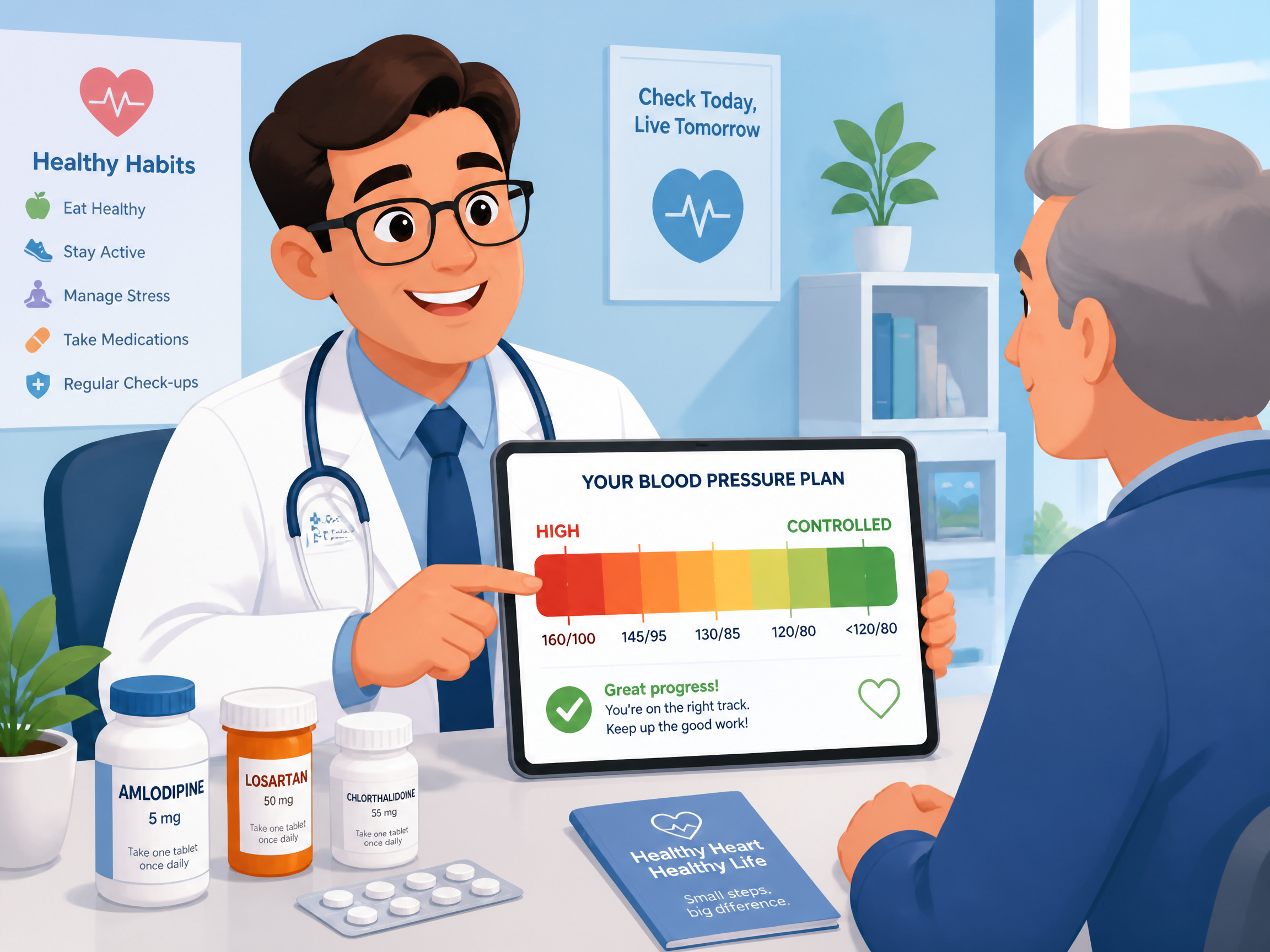
The good news is that most patients with hypertension can safely undergo surgery when their blood pressure is properly controlled. Careful planning, medication adherence, and close monitoring by the anesthesia team help minimize risks and ensure the safest possible outcome.
Can Surgery Be Performed If You Have High Blood Pressure?
One of the most common questions patients ask before an operation is: "Can I still have surgery if my blood pressure is high?"
The short answer is yes—but it depends on how high it is and whether the surgery is elective or an emergency.
For Planned (Elective) Surgeries
Whenever possible, blood pressure should be well controlled before surgery. Uncontrolled hypertension increases the risk of complications such as heart attack, stroke, abnormal heart rhythms, and excessive fluctuations in blood pressure during anesthesia.
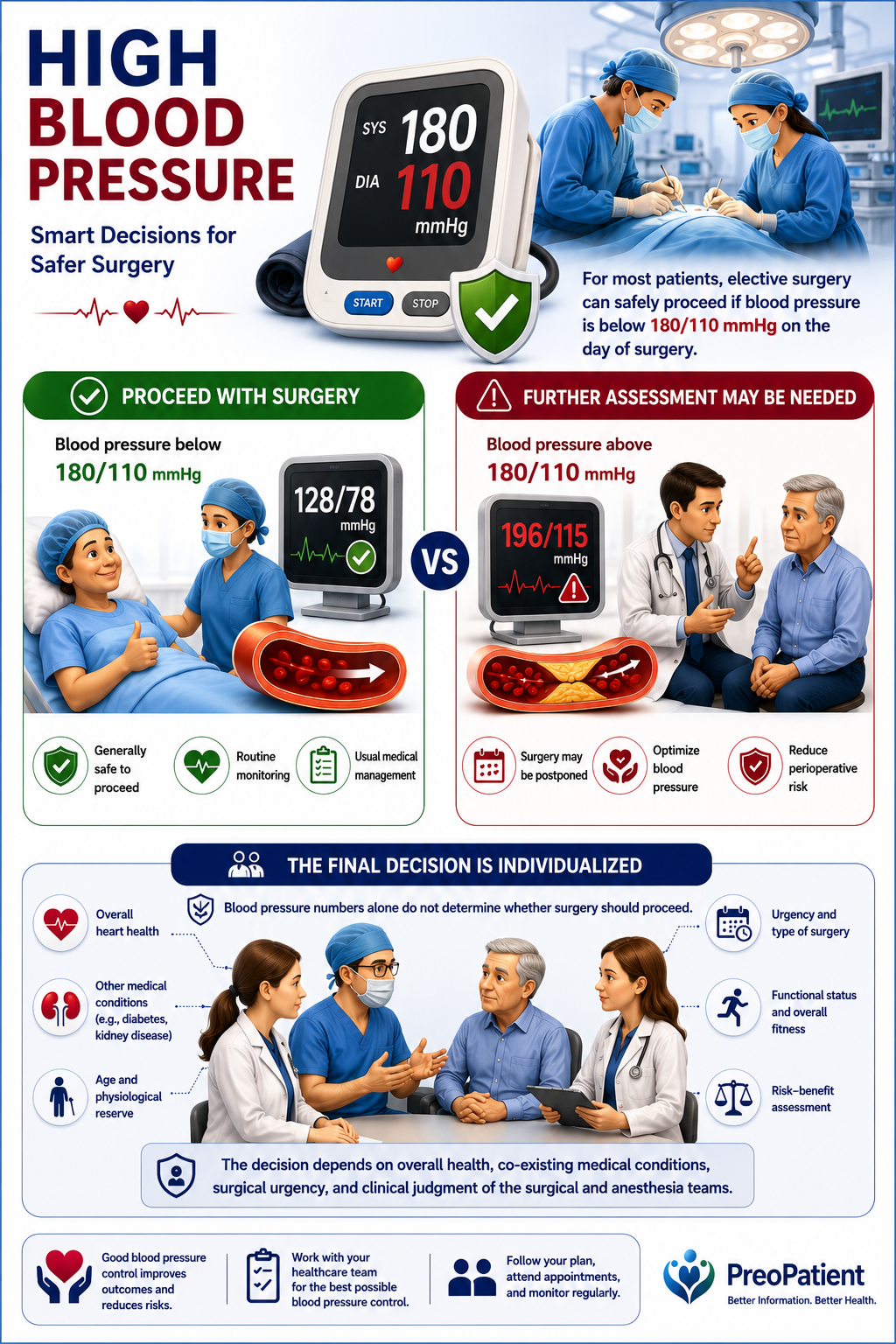
For most patients, elective surgery can safely proceed if blood pressure is below 180/110 mmHg on the day of surgery. If blood pressure is higher than this, surgery may be postponed to allow better control and reduce perioperative risks.Guidelines from the Association of Anaesthetists and the British Hypertension Society suggest that patients with community blood pressure readings below 160/100 mmHg can be referred for elective surgery without delay.
If no recent community reading is available, surgery can generally proceed if the preoperative blood pressure is below 180/110 mmHg.
However, blood pressure numbers alone do not determine whether surgery should go ahead. The final decision depends on the patient's overall health, other medical conditions, the urgency of the procedure, and the clinical judgment of the surgeon and anesthetist.
What About Emergency Surgery?
In emergency situations, delaying surgery may not be an option. If time permits, doctors will attempt to lower and stabilize blood pressure before the procedure. However, when urgent treatment is necessary, surgery usually proceeds with careful monitoring and blood pressure management throughout the operation.
The Bottom Line
Having high blood pressure does not automatically mean surgery cannot be performed. The goal is to optimize blood pressure beforehand whenever possible. A well-controlled blood pressure means a safer anesthetic, a smoother operation, and a better recovery.
Should You Take Your Blood Pressure Medications Before Surgery?
If you have high blood pressure, one of the most common questions before surgery is: "Should I take my blood pressure medicines on the day of surgery?"
In most cases, the answer is yes.
Blood pressure medications include a wide range of drugs such as beta-blockers, calcium channel blockers, ACE inhibitors, angiotensin receptor blockers (ARBs), and diuretics.
However, not all medications are treated the same way. While many antihypertensive drugs are routinely continued, certain medications may be temporarily withheld before surgery depending on:
- The type of surgery being performed
- Your overall health and medical conditions
- The type of anesthesia planned
- Your anesthesiologist's clinical judgment
For example, some patients may be advised to hold specific medications such as ACE inhibitors, ARBs, or certain diuretics on the day of surgery to reduce the risk of low blood pressure during anesthesia.
The Bottom Line: Never stop a blood pressure medication on your own before surgery. Continue taking your medications as prescribed unless your surgeon, anesthesiologist, or healthcare provider specifically instructs you otherwise.
Tips for Patients with High Blood Pressure Preparing for Surgery
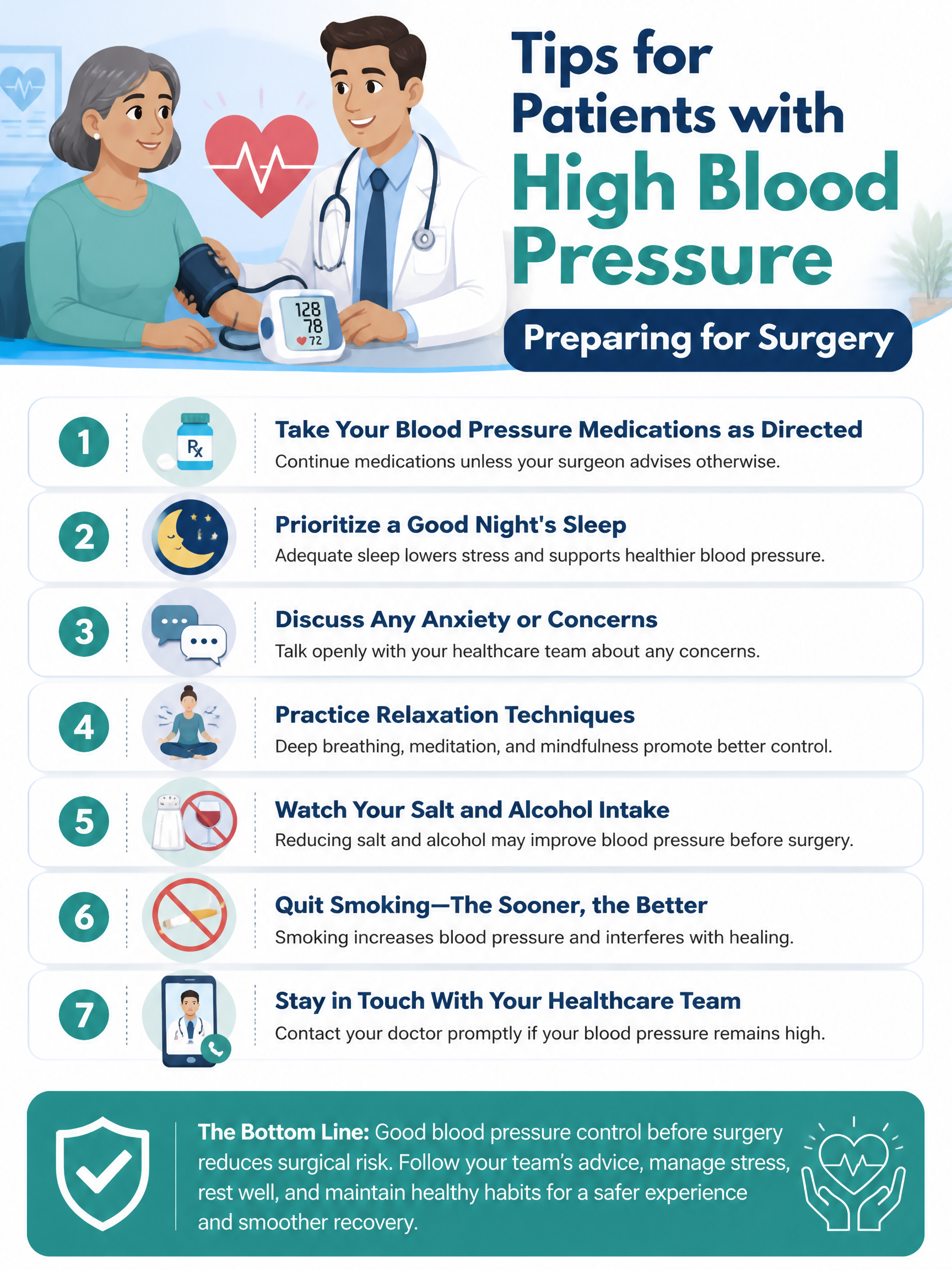
1. Take Your Blood Pressure Medications as Directed
Continue taking your prescribed blood pressure medications unless your surgeon or anesthesiologist specifically advises otherwise.
2. Prioritize a Good Night's Sleep
Adequate sleep can help lower stress levels and support healthier blood pressure.
3. Discuss Any Anxiety or Concerns
Feeling nervous before surgery is completely normal. Talk openly with your healthcare team about any concerns you may have.
4. Practice Relaxation Techniques
Deep breathing exercises, meditation, and mindfulness can help reduce stress and promote better blood pressure control.
5. Watch Your Salt and Alcohol Intake
Reducing excess salt and limiting alcohol consumption may help improve blood pressure control before surgery.
6. Quit Smoking—The Sooner, the Better
Smoking increases blood pressure, strains the heart and lungs, and can interfere with healing after surgery.
7. Stay in Touch With Your Healthcare Team
If your blood pressure remains high or you have questions about your medications or surgery, contact your doctor promptly.
The Bottom Line
Good blood pressure control before surgery is one of the most important steps you can take to reduce surgical risk. By following your medical team's advice, managing stress, getting adequate rest, and maintaining healthy habits, you can help ensure a safer surgical experience and a smoother recovery.
Disclaimer: This article is for educational purposes only and should not replace professional medical advice. Always follow the recommendations of your surgeon, anesthesiologist, and healthcare provider regarding blood pressure control.