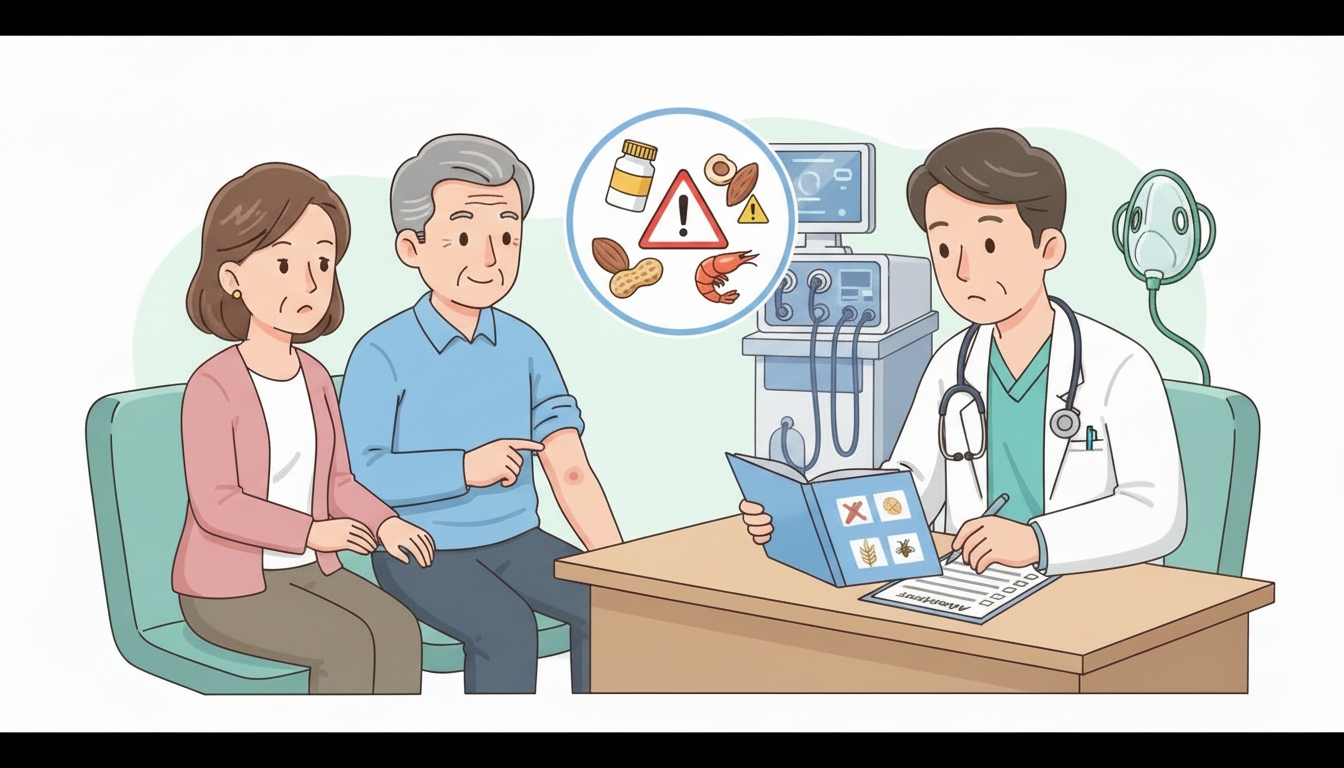
Surgery is often described as a team effort—but one of the most critical players is the anesthesiologist, the physician responsible for keeping you safe, stable, and pain-free throughout the procedure. While most patients focus on the surgeon, it’s equally important to understand that your safety under anesthesia depends heavily on the accuracy of the information you provide before surgery.
A Real-World Scenario
Consider this situation:
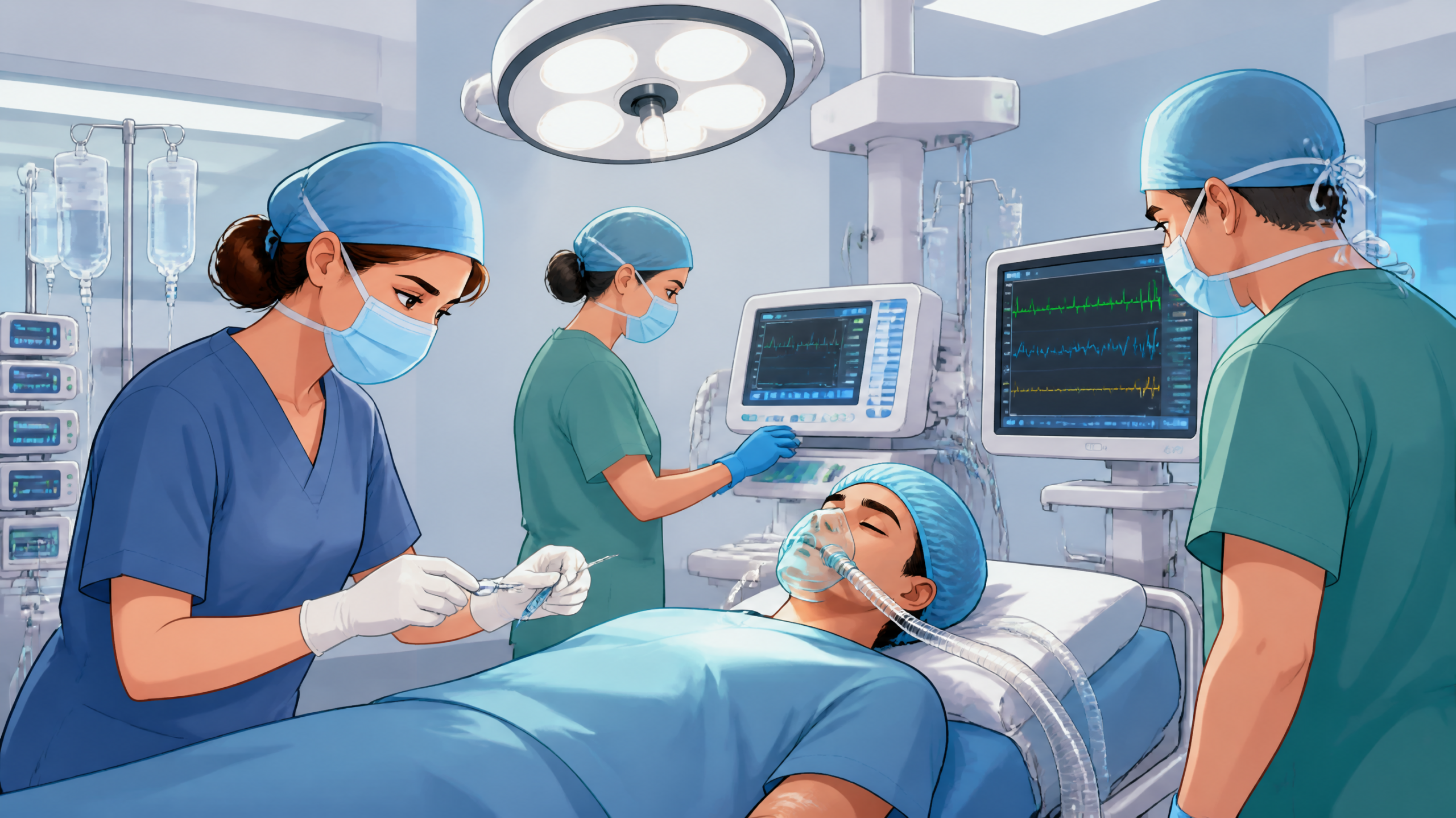
A patient undergoes surgery smoothly, with no complications during the procedure. However, toward the end of the operation, a routine medication is administered. Within moments, the patient’s blood pressure drops, lands up into shock.
What was expected to be a routine, uneventful surgery quickly turns into a medical emergency.
The patient is rushed to the ICU, requires ventilatory support, and is only extubated after two days of intensive monitoring and treatment.
Later, upon retrospective evaluation, it is discovered that the patient had a known allergy to diclofenac, a commonly used painkiller. This allergic reaction triggered severe anaphylaxis, a life-threatening condition.
Importantly, the patient was aware of this allergy—but failed to mention it during the pre-anesthesia checkup (PAC).
The Takeaway: Even Unintentional Omissions Can Be Dangerous
This case highlights a crucial point: patients don’t always deliberately hide information. Sometimes, they simply forget, underestimate its importance, or assume it’s irrelevant. However, in anesthesia, even seemingly minor details can have major consequences.
Why Full Disclosure Matters
Here’s why being completely honest and thorough during your pre-anesthesia checkup is essential:
-
You won’t be able to speak for yourself during surgery
Once you’re under anesthesia, you are unconscious and unable to communicate. If something goes wrong—such as an allergic reaction or unexpected physiological response—you cannot inform the medical team. The anesthesiologist must rely entirely on the information you provided beforehand. -
The anesthesiologist is your constant monitor
While the surgeon focuses on the operative field, the anesthesiologist continuously monitors your vital functions—heart rate, blood pressure, oxygen levels, and breathing. Their ability to anticipate and prevent complications depends on how well they understand your medical history. -
Small details can significantly impact drug choices
Allergies, past reactions to medications, existing illnesses, or even over-the-counter drug use can influence which anesthetic agents are safe for you. Missing information may lead to the use of drugs that could trigger adverse reactions.
-
Pre-anesthesia checkup (PAC) is your safety window
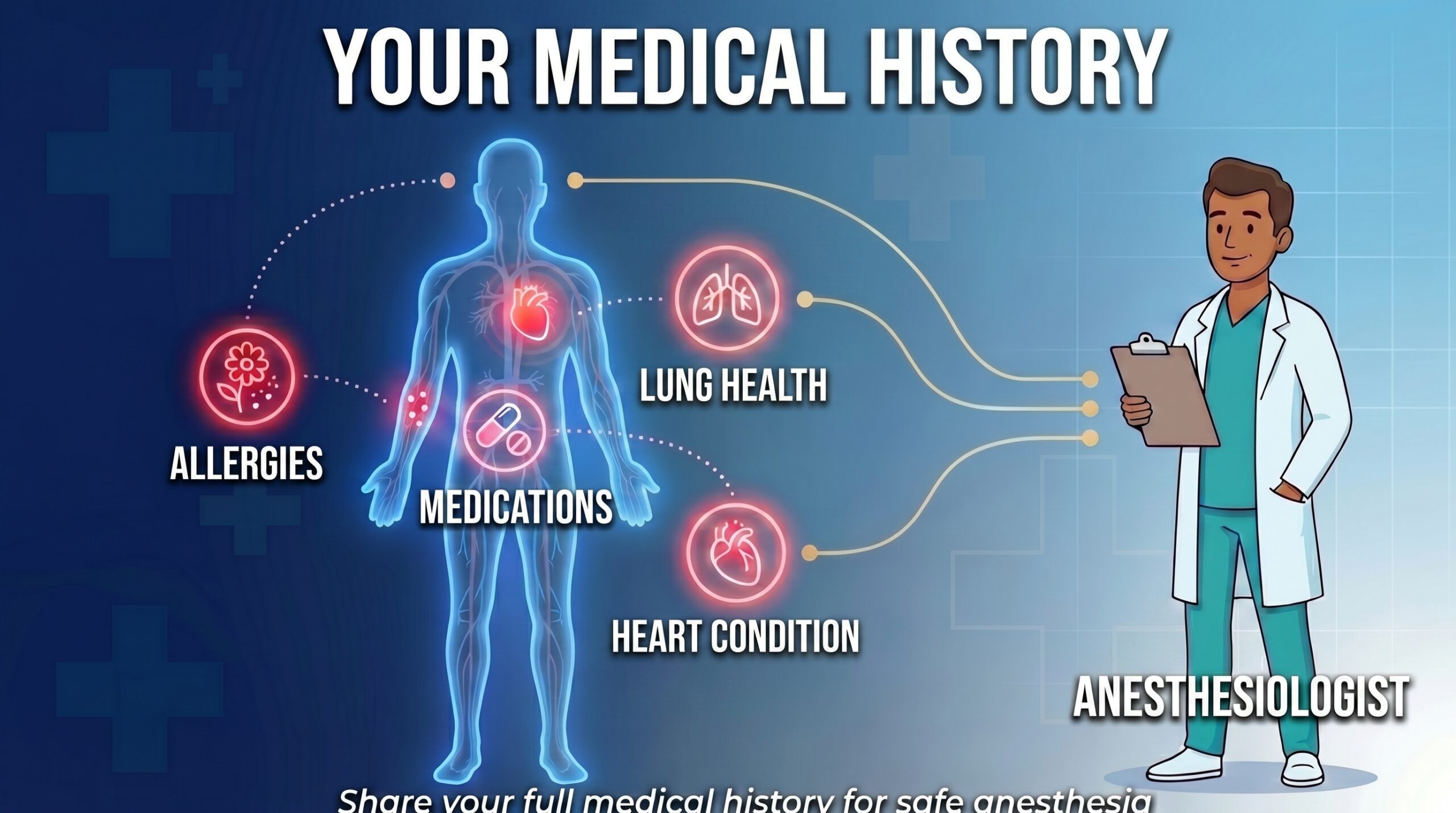
The PAC clinic is your opportunity to share everything relevant about your health. This includes:- Drug allergies (even if they occurred years ago)
- Previous anesthesia experiences
- Chronic illnesses (e.g., hypertension, diabetes, asthma)
- Medications or supplements you are taking
- Lifestyle factors like smoking or alcohol use
Even if something feels trivial or unrelated, it’s better to mention it.
Final Word
Honesty in medicine is not just ethical—it’s lifesaving.
Your anesthesiologist’s job is to guide you safely through one of the most vulnerable periods of your life: being unconscious during surgery. But they can only do that effectively if they have complete and accurate information.
When in doubt, say it out loud. It might just prevent a complication—and could even save your life.
Disclaimer: This article is for educational purposes only and should not replace professional medical advice. Always follow the recommendations of your surgeon, anesthesiologist, and healthcare provider regarding your health condition.